

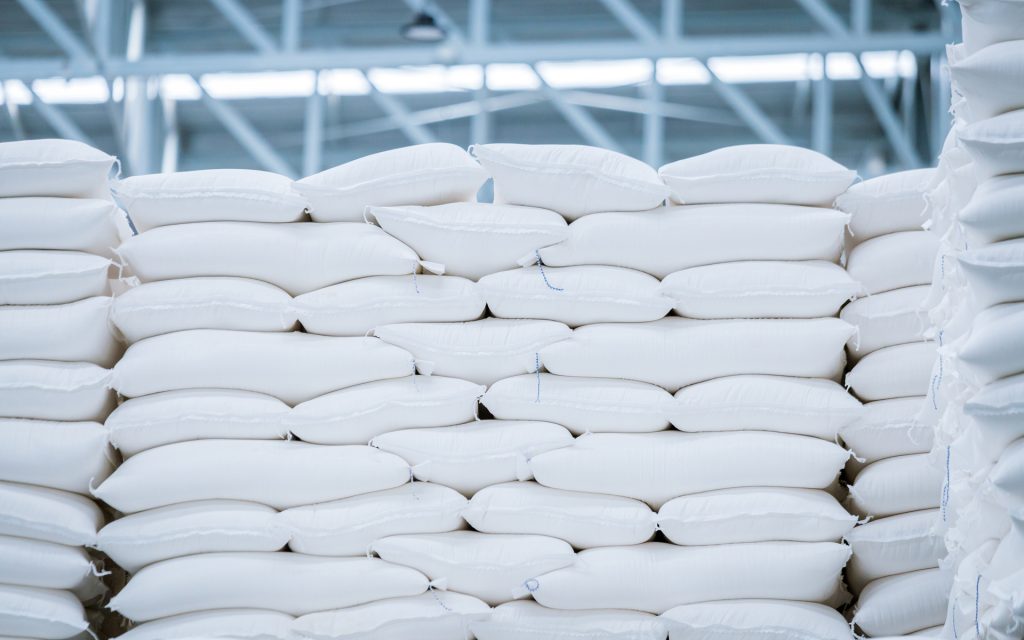
Applications of PP Woven Bags
Applications of PP Woven Bags: The Ultimate Industry Guide for 2025
PP woven bags are literally everywhere — from the rice you buy at the grocery store to the cement that builds skyscrapers. But have you ever stopped and thought about just how many industries depend on these incredibly versatile bags every single day?
If you’re a business owner, procurement manager, or packaging decision-maker, understanding the full range of applications of PP woven bags isn’t just interesting — it’s essential. Choosing the right packaging can save you money, protect your products, and even boost your brand image.
In this comprehensive guide, we’ll walk you through every major application of PP woven bags across industries, explain why they’re preferred over alternatives, and help you decide which type is perfect for your specific needs. Let’s get into it!
What Are PP Woven Bags?
Before we dive into applications, let’s quickly cover the basics. PP woven bags are made from polypropylene (PP) resin, which is extruded into flat tapes or threads and then woven together on circular or flat looms to create a strong, durable fabric. This fabric is then cut, stitched, and sometimes laminated or printed to create the final bag.
Think of it like weaving a basket — except the “threads” are made of plastic, and the result is a bag that’s incredibly strong, lightweight, moisture-resistant, and cost-effective.
Key Properties That Make PP Woven Bags So Popular:
High tensile strength — Can carry loads from 5 kg to 100+ kg
Moisture resistance — Protects contents from humidity and water
Lightweight — Reduces shipping costs significantly
Customizable — Available in various sizes, colors, printing, and closures
Cost-effective — One of the most affordable packaging solutions
Reusable & recyclable — Environmentally friendlier than many alternatives
UV stabilization options — Can be made resistant to sun damage for outdoor storage
Chemical resistance — Doesn’t react with most chemicals and fertilizers
Now, let’s explore where these remarkable bags are actually used.
1. Agriculture & Farming Industry
If there’s one industry that PP woven bags dominate, it’s agriculture. Walk into any farm, grain storage facility, or agricultural market, and you’ll see stacks upon stacks of these bags.
Grain & Cereal Packaging
PP woven bags are the go-to packaging for rice, wheat, maize, barley, millets, and other grains. Why? Because they offer excellent breathability (when unlaminated), preventing moisture buildup that could lead to mold or spoilage. At the same time, they’re strong enough to hold 25-50 kg of grain without tearing.
In India alone, the Food Corporation of India (FCI) purchases millions of PP woven bags annually for foodgrain storage and distribution under the Public Distribution System (PDS).
Seed Packaging
Seeds require packaging that protects against moisture, pests, and contamination. Laminated PP woven bags with inner liners provide the perfect barrier, keeping seeds viable for longer periods during storage and transportation.
Animal Feed & Poultry Feed
From cattle feed to poultry feed to aqua feed, PP woven bags are the industry standard. They’re strong enough to handle heavy loads, printable for brand visibility, and available in food-grade options that meet safety standards.
Fruit & Vegetable Packaging
Mesh-style PP woven bags (also called leno bags) are widely used for packaging onions, potatoes, garlic, oranges, and other produce. The mesh design allows airflow, keeping produce fresh during transport.
2. Construction & Building Materials
The construction industry is another massive consumer of PP woven bags. Think about it — every construction site needs cement, sand, aggregite, and other materials, and most of them arrive in PP woven packaging.
Cement Bags
Cement packaging demands extreme durability. A standard cement bag holds 50 kg of fine powder, and it needs to survive loading, stacking, transportation, and storage — often in harsh conditions. PP woven bags with block-bottom valve designs or multiwall construction are specifically engineered for this purpose.
Sand & Gravel Bags
Whether it’s for construction, landscaping, or flood control (sandbags! ), PP woven bags handle the heavy, abrasive nature of sand and gravel with ease.
Dry Mortar & Plaster
Pre-mixed dry mortar, plaster, and tile adhesives are typically packaged in laminated PP woven bags to prevent moisture from reaching the product before use.
3. Chemical & Fertilizer Industry
PP woven bags play a critical role in the chemical and fertilizer sectors due to their chemical resistance and customizable barrier properties.
Fertilizer Packaging
Urea, DAP, NPK, SSP, potash — virtually every type of fertilizer you can think of is packaged in PP woven bags. These bags can be UV stabilized for outdoor storage in fields and warehouses, and they can be custom-printed with dosage instructions, safety information, and branding.
India’s fertilizer industry alone consumes over 2 billion PP woven bags annually, making it one of the largest end-use sectors.
Chemical Powder & Granule Packaging
Industrial chemicals, catalysts, resins, and other powdered or granular chemicals rely on PP woven bags — often with PE liners inside to provide an additional moisture and contamination barrier.
Petrochemical Products
Polymer granules (the very raw material used to MAKE PP woven bags!) are themselves packaged in PP woven bags. It’s a beautifully circular system.
4. Food & FMCG Packaging
When it comes to food packaging, PP woven bags offer both functionality and brand appeal, especially when combined with BOPP lamination.
Rice Packaging
Walk down the rice aisle of any supermarket, and you’ll see BOPP-laminated PP woven bags with vibrant, high-quality printing showcasing brand logos, product images, and nutritional information. These bags are not just functional — they’re a marketing tool.
Sugar Packaging
Both refined and raw sugar are packaged in PP woven bags. For sugar mills and refineries, the strength, stackability, and cost-effectiveness of these bags make them the obvious choice.
Flour & Pulses
Wheat flour (atta), gram flour (besan), lentils (dal), and other pulses are increasingly being packaged in printed PP woven bags and BOPP bags for both bulk distribution and retail sale.
Salt Packaging
Industrial and edible salt packaging heavily relies on laminated PP woven bags due to the corrosive nature of salt. The lamination layer provides essential protection for the bag itself and ensures product purity.
5. Mining & Mineral Industry
The mining sector needs packaging that can handle extreme weights and rough handling, and PP woven bags deliver exactly that.
Mineral Ore Packaging
From calcium carbonate to silica to talc to ite — mined minerals in powder or granular form are commonly packed in PP woven bags for transport from mines to processing facilities.
Coal & Charcoal
Lump charcoal and processed coal products use PP woven bags, sometimes with ventilation features to prevent heat buildup.
6. Flood Control & Disaster Management
Here’s an application you might not immediately think of — sandbags. During floods, hurricanes, and other natural disasters, PP woven sandbags are among the first lines of defense. Their strength, water resistance, and low cost make them ideal for emergency use.
Governments and disaster management agencies around the world maintain stockpiles of PP woven sandbags for rapid deployment during emergencies.
7. Geotextile & Infrastructure Applications
PP woven fabric — the same material used to make bags — is widely used as geotextile in civil engineering and infrastructure projects.
Road Construction
PP woven geotextiles are laid beneath road surfaces to provide soil stabilization, separation, and reinforcement. They prevent mixing of different soil layers and distribute loads more evenly.
Erosion Control
River banks, hillsides, and coastal areas use PP woven geotextiles to prevent soil erosion, especially in areas prone to heavy rainfall or water flow.
Embankment & Dam Construction
Large infrastructure projects like dams, embankments, and retaining walls use PP woven fabrics for filtration and drainage purposes.
8. Logistics, Shipping & Industrial Packaging
Beyond specific industries, PP woven bags serve as a universal packaging solution for logistics and warehousing.
Export Packaging
Products being shipped internationally need packaging that’s durable, lightweight, and compliant with export regulations. PP woven bags tick all these boxes. Their lightweight nature also helps reduce freight costs compared to heavier alternatives like jute or paper.
Postal & Courier Bags
Large courier bags and postal sacks for bulk mail and document transport are often made from PP woven fabric — durable enough to survive the sorting and handling process.
Waste & Debris Bags
Construction debris, garden waste, and industrial scrap are often collected in heavy-duty PP woven bags. They’re tough, reusable, and much more durable than regular plastic bags for this purpose.
9. Retail & Consumer Products
PP woven bags have made a strong entry into the retail and consumer space, driven by sustainability trends and bans on single-use plastics.
Reusable Shopping Bags
Many retail brands now offer branded, laminated PP woven shopping bags as an eco-friendly alternative to single-use plastic bags. These bags are durable, washable, and carry brand messaging effectively.
Promotional & Event Bags
Trade shows, conferences, and corporate events frequently use custom-printed PP woven bags as giveaways — they’re affordable to produce in bulk and provide excellent brand visibility.
10. Pet Food & Specialty Animal Nutrition
This is a rapidly growing niche. As the pet food industry expands globally, the demand for high-quality, food-grade PP woven bags — especially BOPP-laminated bags — is skyrocketing.
Pet food bags need to be:
Food-grade safe (no chemical leaching)
Moisture-proof (to preserve freshness and nutritional value)
Visually appealing (pet owners choose brands partly based on packaging)
Resealable or easy-to-close (for ongoing use at home)
At Nyon Polypack, we manufacture BOPP bags specifically designed for pet food grade packaging, combining safety compliance with stunning print quality that makes your brand stand out on the shelf.
Why Choose Nyon Polypack for Your PP Woven Bag Needs?
At Nyon Polypack, we don’t just manufacture bags — we engineer packaging solutions tailored to your specific industry and product requirements. Here’s what sets us apart:
✅ Custom sizes, colors, and printing to match your exact specifications
✅ Food-grade and export-quality options available
✅ UV-stabilized bags for outdoor and agricultural use
✅ BOPP lamination for premium retail-ready packaging
✅ Block-bottom bags for enhanced stability and shelf presence
✅ Competitive pricing with consistent quality
✅ Timely delivery and reliable supply chain
Whether you need bags for agriculture, fertilizers, cement, food packaging, pet food, or chemicals, we’ve got you covered.
Conclusion
PP woven bags are truly the unsung heroes of the packaging world. From the farm fields of rural India to supermarket shelves in Europe, from construction sites to disaster relief zones — their applications are virtually limitless. Their unbeatable combination of strength, affordability, versatility, and customizability makes them the preferred choice for businesses across dozens of industries.
Whether you’re packaging 50 kg of cement or 5 kg of premium pet food, there’s a PP woven bag engineered for your exact needs. And when you partner with Nyon Polypack, you’re choosing a manufacturer that understands your industry, respects your timelines, and delivers quality you can trust — every single time.
The question isn’t whether you should use PP woven bags. It’s who you should trust to make them. We’d love for that answer to be us.
Frequently Asked Questions (FAQs)
1. What is the weight capacity of PP woven bags?
PP woven bags can hold anywhere from 5 kg to 100+ kg, depending on the fabric GSM (grams per square meter), weave density, and construction type. Standard bags for grains and fertilizers typically hold 25-50 kg, while heavy-duty industrial bags can handle much more.
2. Are PP woven bags food-safe?
Yes! When manufactured using food-grade polypropylene resin and compliant with safety regulations like FDA and EU food contact standards, PP woven bags are perfectly safe for packaging food products including rice, sugar, flour, salt, and pet food. At Nyon Polypack, our food-grade bags meet all necessary safety certifications.
3. What is the difference between laminated and unlaminated PP woven bags?
Unlaminated bags are breathable and ideal for products like grains and produce that need airflow. Laminated bags (coated with a thin layer of PP or PE film) provide a moisture barrier and a smooth surface for high-quality printing — perfect for retail packaging, fertilizers, and chemicals.
4. Can PP woven bags be customized with our brand logo and colors?
Absolutely! PP woven bags can be custom printed using flexographic or rotogravure printing. With BOPP lamination, you can achieve photo-quality, full-color printing that makes your product pop on retail shelves. We offer complete customization of size, color, print design, closure type, and liner options.
5. Are PP woven bags environmentally friendly?
PP woven bags are 100% recyclable, and their durability means they can be reused multiple times before recycling. Compared to single-use plastic bags, they have a significantly lower environmental impact per use. Many countries and industries are actively promoting PP woven bags as a sustainable packaging alternative as part of their environmental initiatives.